How to Keep a Trash Chute Room From Smelling
A chute room smells because residue sits on surfaces, and the fix is cleaning those surfaces, not spraying over them.
October 26, 2026 · 4 min read
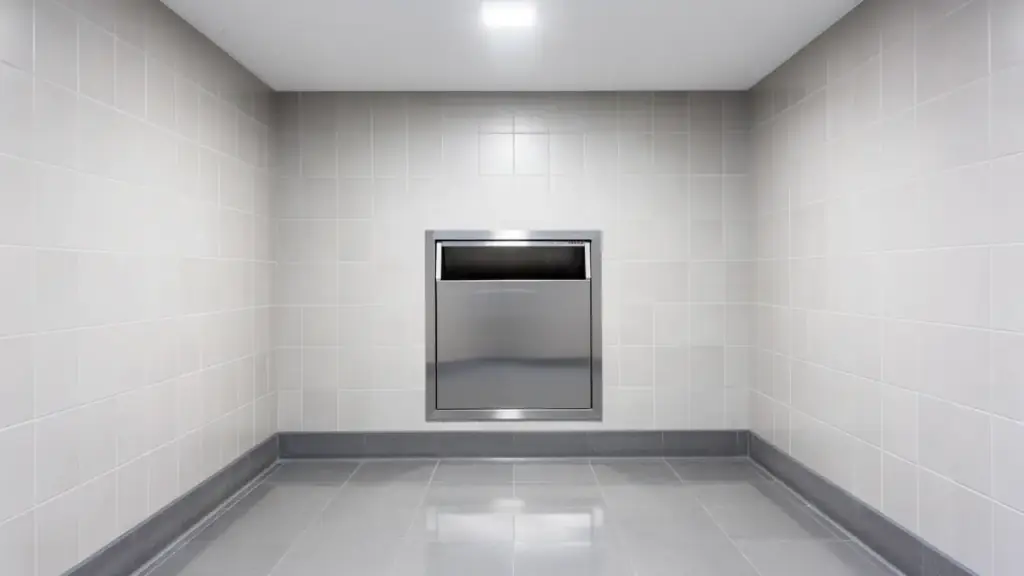
Ask residents what they notice about a building and the trash chute room comes up more often than you'd expect. It's small, it's enclosed, and everything that goes wrong with household waste eventually ends up there. When it smells, people notice at the door, they notice in the hallway outside it, and they notice on the day a guest comes by. The good news is that chute room odor has ordinary causes, and ordinary causes can be handled.
Where the smell actually comes from
It's rarely the chute alone. A split bag leaves residue on the hopper door, the frame and the floor beneath it. Liquid runs to the lowest point in the room, which is usually the corner by the container or the floor drain. Grease and sugary spills dry onto the walls and settle into the grout lines between tiles. Every one of those spots keeps producing odor long after the bag itself is gone.
Spraying a freshener over all that covers the smell for an afternoon. It doesn't remove the source, and the smell comes back. Cleaning the surfaces where the residue sits is what ends it.
What a proper chute room clean covers
A quick mop isn't enough. Mercury Commercial Cleaning lists trash chute maintenance as its own line among its janitorial services, separate from general cleaning, and that makes sense, because this room has its own list of spots. If you're writing a scope or reviewing a quote, check that these are named.
- Hopper doors on every floor: both faces, the handle, the frame and the hinge edges
- The walls around the chute opening, wiped from shoulder height down to the baseboard
- Grout lines and the corners where the floor meets the wall
- The floor itself, scrubbed rather than only mopped
- The floor drain, if there is one, cleared and cleaned around the grate
- The container or cart area at the base, including the space behind and beneath it
- Door hardware and light switches, which everyone touches on the way in
The chute itself
Residue can build on the inside of a chute over time, and a chute room can be spotless while the shaft above it holds the source. Whether the interior needs attention, and how it should be done, depends on the building's chute and how it was built. That's a conversation for the walk-through rather than something to assume. Ask the company what they do, ask what they would hand to a specialist, and put the answer in the scope so nobody is guessing later.
Residents are part of the answer
Most odor starts upstairs, one bag at a time. A few habits make a visible difference, and a small sign by every hopper door can carry them.
- Tie bags closed and keep them a size that slides down the chute without catching
- Drain liquids before they go in instead of tossing a dripping container
- Wrap greasy food waste before it goes down
- Flatten boxes and take them to the recycle area instead of forcing them into the chute
- Carry bulky or sharp items to the dumpster pad
- Tell the manager about a jam or a spill instead of leaving it for the next person
Notes like these work best when they're short and friendly. A page of rules gets ignored. Three lines with a polite tone get read.
Containers, pickup and the room at the bottom
A chute room only smells as good as the container at its base. If the container sits full for too long, or never gets washed, it turns into the source. Talk to your hauler about when containers are swapped, and talk to your cleaning company about washing the area under and behind them.
The rest of the chain matters too. Bins have to reach the pad, the pad has to be kept up, and trash and recycling have to be staged for pickup. Mercury's service list includes porter services and dumpster cleaning as well as trash and recycle staging, so a board can ask for the whole chain from one company instead of coordinating three.
When the room is clean and still smells
Sometimes a clean room still smells because the air isn't moving. Warm, stale air in a small closet holds odor. That isn't a cleaning problem, and a cleaning company shouldn't be asked to solve it alone. If the room is spotless and the smell persists, bring in the building engineer or an HVAC contractor to look at airflow. Treat it as a second conversation, not a failure of the first.
Gentler products, if you prefer them
Some buildings want a lighter touch, especially where residents are sensitive to strong scents. Mercury offers green cleaning upon request, so if that's your preference, say so when you ask for the quote. Ask, too, how the approach affects the way grout, drains and the hopper doors get handled, so the expectations match the result you want.
What to put in the scope
Name the chute room as its own zone. List the surfaces: hopper doors, walls, grout, floor, drain, container area. Describe the finished condition in a sentence, and say how often the room should be visited. That last number is the board's call, based on how heavily the building uses the chute, and a good company will help you pick a starting point and adjust it after a few weeks.
If your chute room has a smell that won't quit, call Mercury Commercial Cleaning at (206) 374-7777 or email info@mercuryclean.com. Describe the building and they'll quote the work for your property.
Mercury Commercial Cleaning Inc., (206) 374-7777
Call (206) 374-7777More articles
What an HOA Board Should Put in a Common-Area Cleaning Scope
A clear scope of work prevents most cleaning disputes before they start, and it takes one walk through the building to write.
Why Shared Laundry Rooms Need More Than a Mop
Residents judge a laundry room by how the machines smell, so the machines deserve their own line in the cleaning scope.