Seattle's Wet Months and Your Building's Exterior
Long damp stretches change how awnings, steps and entries look and feel, and a little planning keeps them in shape.
October 26, 2026 · 4 min read
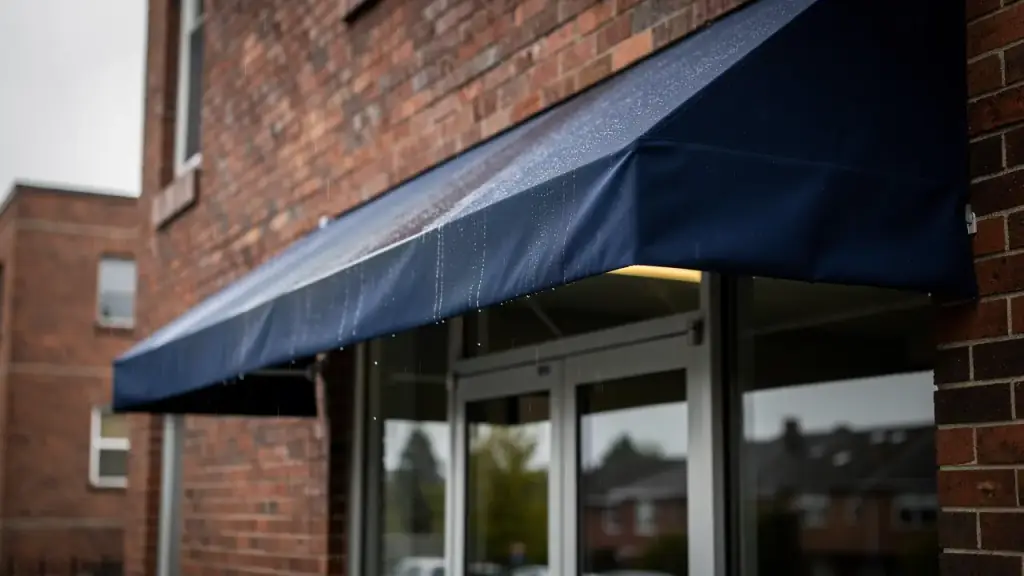
Seattle buildings spend a long part of the year damp. From fall into spring, walkways, entries and awnings stay wet more than they stay dry, and things settle on them that never get the chance elsewhere. Moss, algae and grime aren't dramatic. They change how a building looks from the street, and how a walkway feels underfoot, long before anyone files a complaint.
What the rain actually does
Rain doesn't clean a building so much as it moves dirt around. Shaded paths, north-facing steps and anything under an overhang stay wet the longest, and that's where a green film starts. Needles, leaves and pollen settle in and stick. Tracked-in water saturates entry mats and soaks the floor just inside the door. By midwinter the exterior has picked up a layer that wasn't there in September.
Awnings are the first thing visitors see
An awning sits right over the front door, so it frames the whole entry. When it's streaked and dingy, the building looks tired, however clean the lobby is inside. Rain tends to run dirt down the fabric in lines rather than rinse it away.
Fabric needs a gentler method than concrete. A wand that's right for a walkway can damage an awning, so don't ask for one tool across the whole property. Mercury Commercial Cleaning lists awning cleaning as its own service, separate from pressure washing, and that separation is a useful model for your scope: treat the awning as a zone with its own method.
Walkways, steps and entries
These are the surfaces residents use every day, so they're the ones to watch. Here's what to look for as the wet months settle in.
- A green or dark film on concrete, especially on shaded stretches
- Steps and ramps that feel slick underfoot when wet
- Leaves and needles packed against edges, drains and thresholds
- Entry mats that are soaked through and no longer catching water
- Spots where water pools and stays after the rain stops
- Stained or streaked awning fabric over the door
A porter round handles the small stuff: sweeping, clearing debris, swapping or drying mats, reporting a pooling spot to the manager. The bigger buildup needs something stronger.
When pressure washing makes sense
Pressure washing is for the buildup that sweeping can't touch. Good moments to schedule it include the start of the wet season, when you want a clean baseline, and a dry stretch afterward when surfaces can dry out fully. It's also the right call when a walkway has gone green, when dark patches have spread, or when a visitor could slip. Avoid it near freezing temperatures, since water left on a surface can turn to ice.
Pressure washing is on Mercury's services list, and its page asks you to contact the company directly for an accurate quote. That's sensible, because the price depends on what you have: how much surface, what it's made of and how much buildup sits on it.
What to ask before the wand comes out
- Which surfaces are included, and which method is used on each
- How the crew protects plants, doors, windows and fabric nearby
- How wash water is handled around drains and landscaping
- When residents will be kept off the area, and for how long
- How long surfaces need to dry before they're ready to use
- What happens if it rains right after
Too much pressure can roughen concrete, gouge wood and push water into places it shouldn't go. A careful crew matches the pressure to the surface, and a good question at the quote stage lets you hear how they think about it.
Between washes
Keeping the exterior up is easier than catching up. Sweep entries and clear drains through the wet months, dry or swap mats, and have someone look at the awning when the season turns. Alan Lamon, another Google reviewer, credited Mercury with "Giving the building a kept up look and great curb appeal." That look isn't a one-time wash. It comes from small steady attention, which is why the exterior belongs on the same route as the lobby and the chute room.
Put the exterior in the scope
Name the zones: awnings, entry walkways, steps, planters and any paved area residents cross. Describe what clean looks like, whether that's no green film, clear drains or a spotless awning. Separate the routine work from pressure washing so you can plan the bigger job on its own timeline. The board decides how often each gets done based on the building and the budget.
To plan your exterior before the next wet stretch, call Mercury Commercial Cleaning at (206) 374-7777 or email info@mercuryclean.com. Tell them what the walkways and awnings look like and they'll quote the work for your property.
Mercury Commercial Cleaning Inc., (206) 374-7777
Call (206) 374-7777More articles
What an HOA Board Should Put in a Common-Area Cleaning Scope
A clear scope of work prevents most cleaning disputes before they start, and it takes one walk through the building to write.
How to Keep a Trash Chute Room From Smelling
A chute room smells because residue sits on surfaces, and the fix is cleaning those surfaces, not spraying over them.